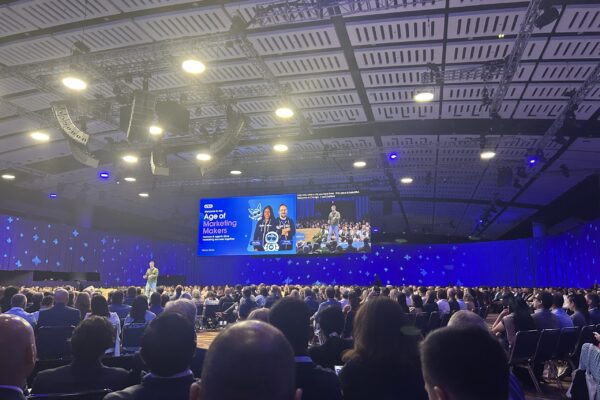

Salesforce Connections 2026 made its theme, “The Age of Marketing Makers”, hard to miss.
This year’s focus wasn’t that AI is coming to marketing. TL;DR: We’re past that. The focus was on how Salesforce is starting to define how AI agents change the way marketing teams work and collaborate.
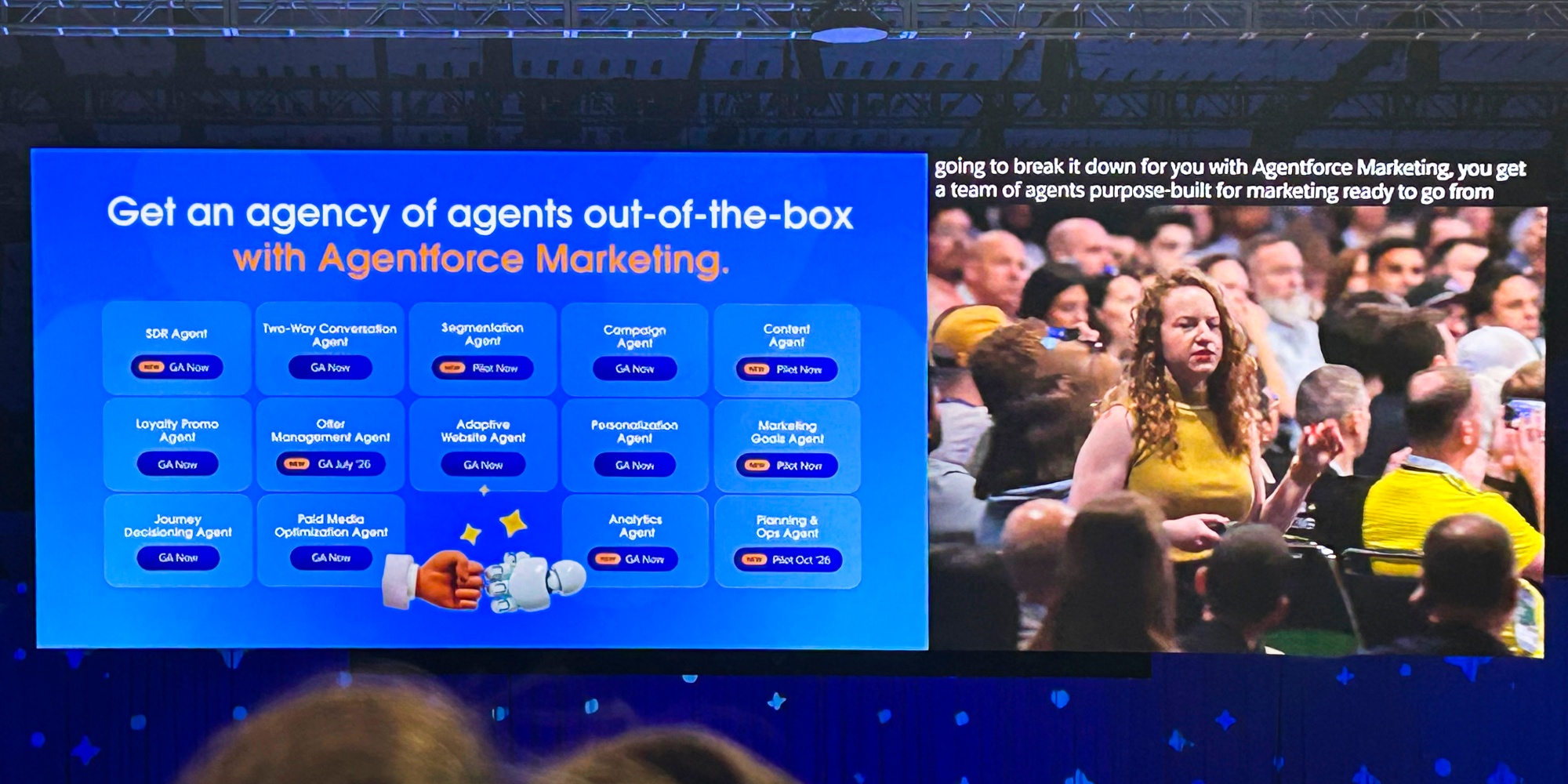
Compared with 2025, when Marketing Cloud Next and Agentforce felt like the direction of travel, this year’s message was more operational. Agentforce Marketing took center stage, with specialized agents designed to help teams plan campaigns, generate content, qualify demand, optimize performance, and manage work across Slack.
That matters because Salesforce is no longer positioning AI only as a way to personalize customer experiences. It is positioning AI as part of the marketing team’s operating model. Ultimately, this is a push toward a more connected way to run customer engagement.
What’s New: Agents with Job Descriptions
The announcements at Connections this year showed how AI operating models are beginning to take shape.
Salesforce’s newest Agentforce Marketing releases include a set of agents designed to support pipeline development, content creation, campaign execution, performance optimization, and campaign management in Slack. Think of these as specialized agents with defined responsibilities.
For Pipeline Development:
- Piper, Qualified’s AI SDR Agent, is now generally available. It engages website visitors in real time, answers questions, identifies buying signals, and helps qualify prospects before routing them into the sales process.
- Hunter, Salesforce’s new Prospecting Agent, is also generally available. It is designed to identify prospects, initiate outreach, and support nurture efforts.
For Content Creation:
- Agentforce Content Agent is now in pilot. It helps marketers generate channel-specific content across email, mobile, SMS, RCS, and other customer touchpoints from a single campaign brief.
For Campaign Execution and Optimization:
- Agentforce Marketing Goals Agent is also in pilot. Marketers define campaign objectives, budgets, guardrails, and approval requirements, while the agent helps build, execute, and optimize campaigns based on customer context and performance signals.
For Collaboration and Workflow Management:
- Campaign management in Slack is now generally available. Marketers can create campaigns, manage audiences, monitor performance, and take action without leaving the tools where work is already happening.
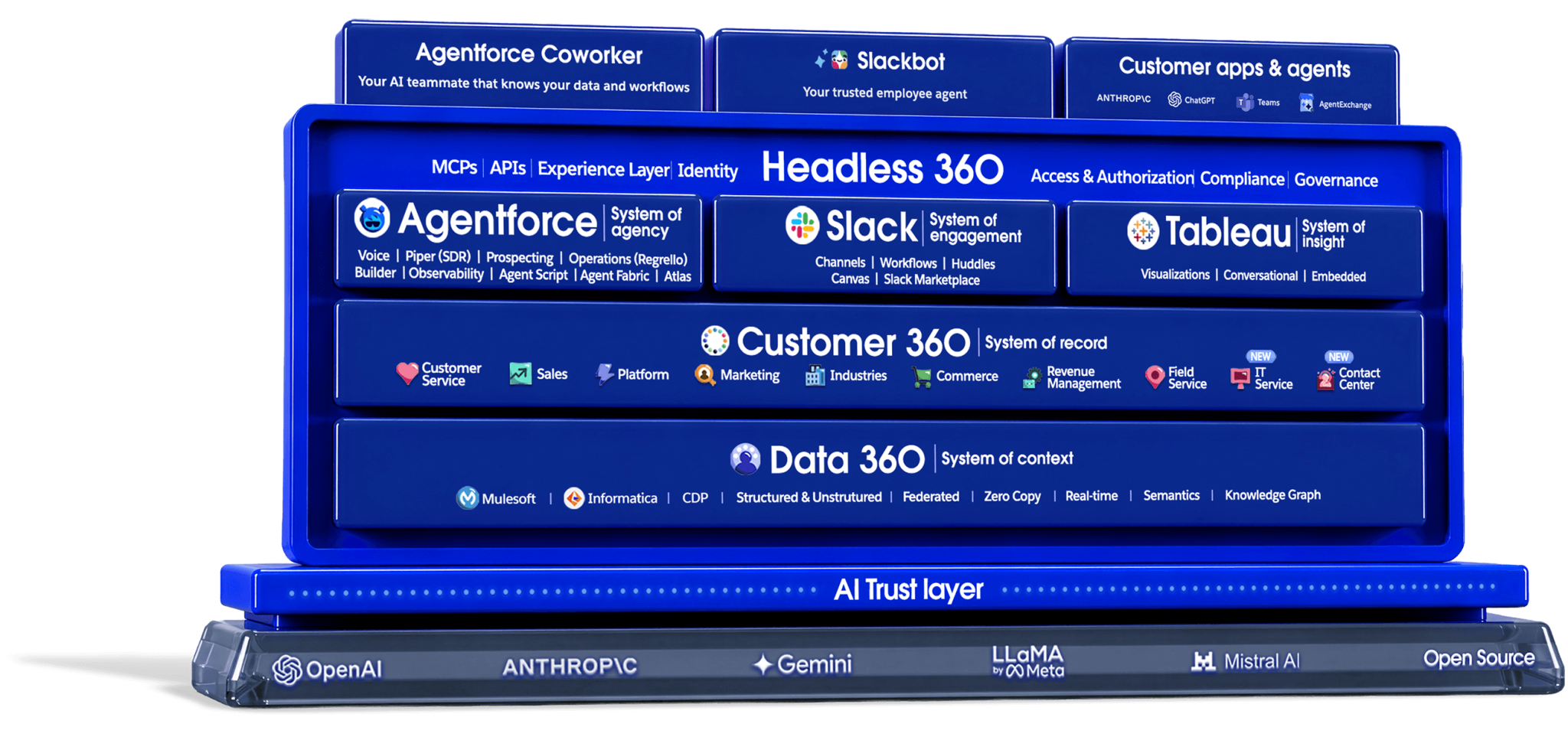
Beyond the agent releases, Salesforce also pointed to several important platform moves that reinforce the bigger direction: more connected data, content, collaboration, and orchestration across the marketing ecosystem.
The opportunity is significant, but so are the requirements. Agents need trusted customer data, connected systems, clear governance, and well-defined processes to operate effectively. That dependency chain was one of the most familiar themes from Connections this year.
Agents Are Only as Good as the Systems Beneath Them
Data 360 is still the foundation because agents need clean, connected, governed context to make useful decisions and take action responsibly.
That was a central takeaway from last year’s Connections story, and it remained true this year. While the conversation has evolved from AI features to AI operating models, the underlying dependency chain has not changed.
This is where we see many organizations getting stuck. The technology is advancing faster than the operating models required to support it. Brands are excited about agents, but the bigger question is whether their data, workflows, ownership structures, and governance practices are ready for agents to operate effectively.
Without trusted data, connected systems, and clear guardrails, even the most advanced agents will struggle to deliver meaningful results.
The Contentful Acquisition Might Be the Biggest Signal of the Week
Announced June 1, just ahead of Connections, the deal gives Salesforce what it describes as a native, enterprise-grade content layer for Headless 360.
Why that matters: Content has been the missing link in personalization for years. Plenty of brands know who the customer is and what should happen next — and still can’t produce the right message, in the right format, at the right speed. Pair a real content layer with Data 360 and Agentforce, and that gap starts to close across email, web, mobile, and every other high-value touchpoint.
Governance is moving up the agenda too. Salesforce’s guidance on the Trust Layer, agent guardrails, and governance for the agentic era all points the same direction: once agents can act, brands need explicit decisions about autonomy, approvals, data access, risk, and compliance. For enterprise and regulated organizations especially, customer experience, brand trust, and operational control have to scale together — or none of them scale at all.
We Came to Connections With the Same Practical Lens
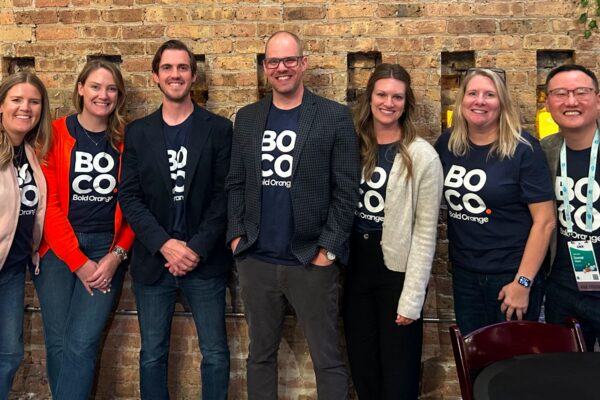
Bold Orange showed up at Connections with a focus on what it actually takes to make adaptive, AI-enabled experiences work.
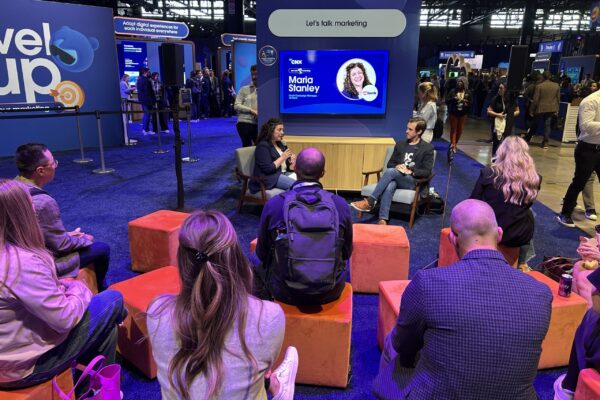
Our team joined our client Renewal by Andersen and Salesforce for “The Modern Marketer’s Guide to Building Adaptive Experiences”, a theater session on the personalization foundations required to deliver more responsive customer experiences at scale.
We also hosted “A Fireside Chat with Bold Orange and U.S. Bank”, where our team and U.S. Bank discussed how we’re helping scale email operations while managing volume, brand consistency, accessibility, and compliance.
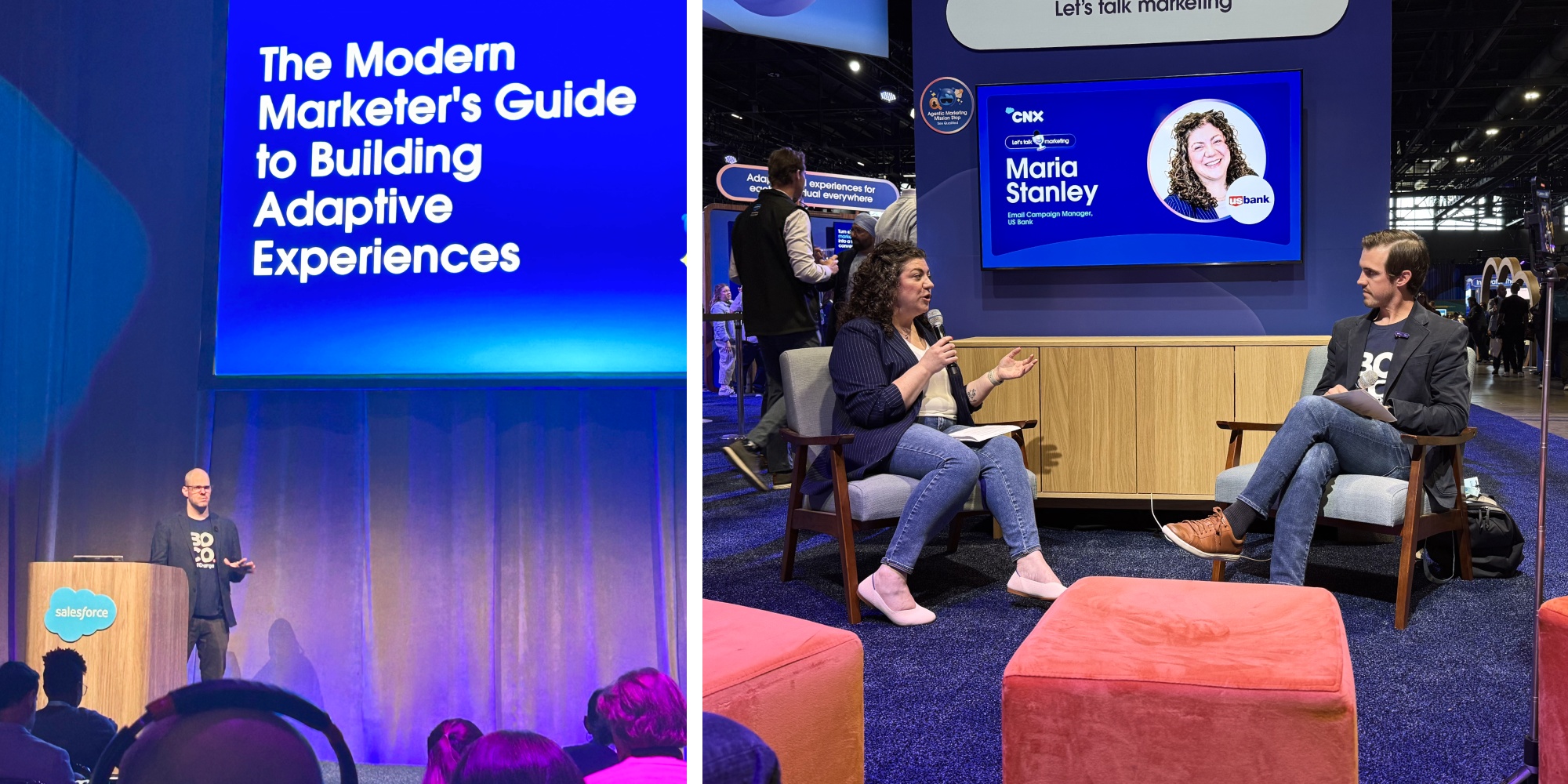
Those conversations reinforced the same point: AI does not improve customer engagement on its own. The impact comes from the operating model behind it: the data, workflows, content, governance, and teams that make more adaptive experiences possible.
Here’s What We Recommend Brands Do Next
Start with the data foundation, but tie it to customer journeys immediately
Don’t wait for “perfect” data. Define the experiences you want to deliver, then work backward into the identity, orchestration, and measurement requirements to support them. That’s how data becomes useful in market instead of staying trapped as infrastructure.
Pick one agent use case and go deep
Inbound qualification, a bounded content workflow, or a narrowly defined campaign-optimization use case is a better starting point than trying to transform everything at once. Salesforce’s newest capabilities are strongest when marketers define the goals, constraints, and outcomes clearly.
Build governance now, before autonomy scales.
If agents are going to make decisions, brands need to decide how approvals work, how access is managed, where guardrails live, and how compliance gets enforced. Governance is no longer a side conversation for later. It is part of the operating model.
Revisit your content model.
If Salesforce follows through on the Contentful strategy, structured content will matter even more. The brands that win here will be the ones that can assemble relevant experiences quickly across channels without recreating assets manually every time.
Prepare for Flow-based orchestration.
Salesforce’s current documentation makes clear that Marketing Cloud Next uses Flow Builder for automation and complex journey orchestration, while Journey Builder remains part of Marketing Cloud Engagement today. Brands do not need to panic, but they do need a roadmap. The direction of travel is clear.
The Window is Open — But Not Indefinitely
The gap between brands actively building agentic marketing capabilities and brands waiting it out is going to widen fast. The tools are real. The results are real. And the advantage goes to the teams that move early.
At Bold Orange we help clients move faster and smarter across the Salesforce ecosystem — from Data 360 strategy and Agentforce implementation to Marketing Cloud migrations and commerce architecture.
If Connections 2026 raised questions about your readiness, your roadmap, or where to start, we’d love to talk.
For a deeper dive into the announcements from Salesforce Connections 2026, watch the event highlights.