
Action changes everything.
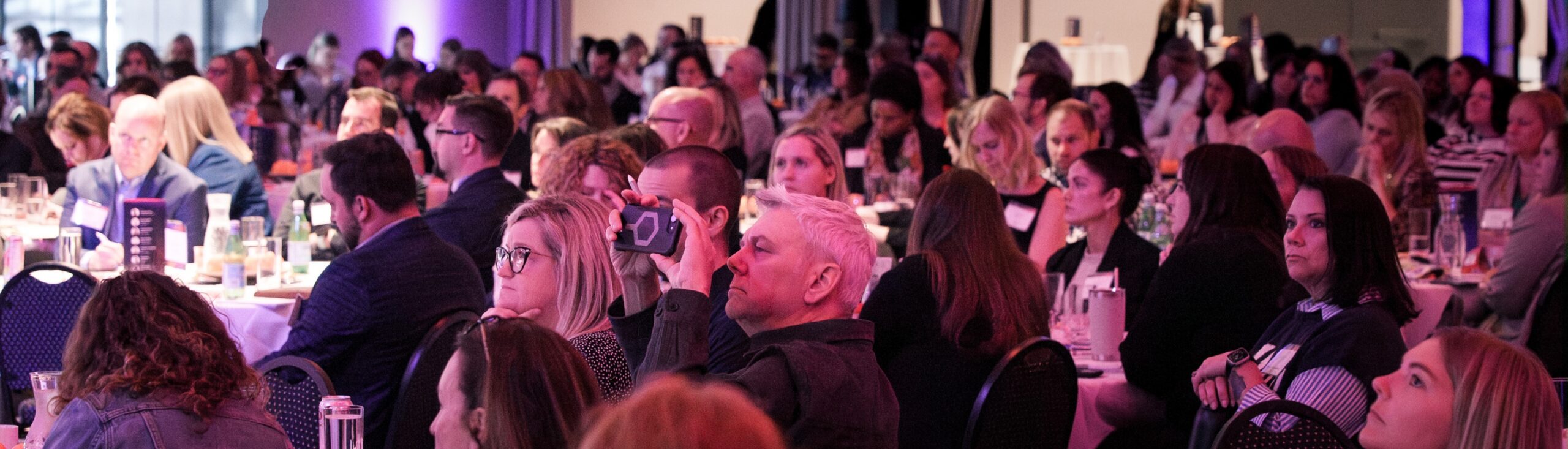
Margaret Murphy, Founder & CEO of Bold Orange, opened CX Midwest by putting a number on the screen: 2,080 hours. That is what a work year represents. And 300 leaders from 90+ companies chose to spend eight of those hours with us last week because they believe better CX is possible, and they are the kind of people who do something about it.
The Reality: 2026 is not a comfortable year to be a growth leader.
Customer expectations keep rising. AI is moving faster than most teams can operationalize. Teams are stretched. And everyone is being asked to prove their impact in a market that will not slow down for anyone.
Ahead of the event, we asked every registrant the same question: What is your biggest CX challenge in 2026? The answers were remarkably consistent. How do you break down silos when your structures were not built for it? How do you turn fragmented data into decisions your whole organization can act on? How do you move fast enough when AI is changing the rules faster than most teams can absorb?
The leaders who showed up are not the kind who wait for comfortable conditions. They showed up ready to do something about it. That commitment is exactly what CX Midwest was built for.
Our Bold Belief
Growth isn’t limited by ideas.
It’s limited by everything not working together when it matters most.
Margaret Murphy, Founder & CEO, Bold Orange
That belief shaped every conversation, every session, and every connection made that day. Here is what we took away.
KEY THEMES FROM CX MIDWEST 2026
Theme 1 →
AI’s real promise is capacity. The value comes from what you create with it.
The question isn’t what you can automate or cut. It’s what you can now do that you couldn’t before.
Theme 2 →
Keep humans in the lead.
Behavior tells you where to look. Emotion tells you what to fix.
Theme 3 →
Your brand’s first impression isn’t yours to control anymore.
Customers are forming opinions and getting answers before they ever reach you.
Theme 4 →
The leader behind the experience matters as much as the experience itself.
You cannot keep humans in the lead if the humans leading are running on empty.
Theme 5 →
The gap between strategy and growth is closed by action.
The brands that win choose deliberately, move together, and follow through.
THEME 1
AI’s real promise is capacity. The value comes from what you create with it.
If AI gives your team time back, the next question is where that time goes.
What We Learned
AI was everywhere at CX Midwest, but the strongest conversations were not about replacing people or chasing automation for its own sake. They were about capacity. If AI gives teams time, money, or focus back, the real leadership question becomes: what customer value can organizations now create that they could not create before?
That distinction matters because if used poorly, AI creates more output for customers to ignore. Used well, it creates space for people to solve harder problems, test smarter ideas, and make better decisions closer to the customer.
Margaret brought that idea to life through the “Doorman Fallacy.” An apartment building removes its doormen because the role looks like an easy cost to cut. The decision makes sense on paper. Then the experience starts to slip. Packages go missing. Delivery drivers wander through the lobby. Residents lose the person who knew their name, noticed their routines, and made the building feel cared for.
The business saw a cost. Customers felt the loss of connection.
That is the risk leaders face right now. Before we automate, remove, or optimize, we have to understand what value is being created in the first place.
The better question is not, “Can we automate this?” It should be, “What is this doing for the customer, and how could technology help us do more of it?”
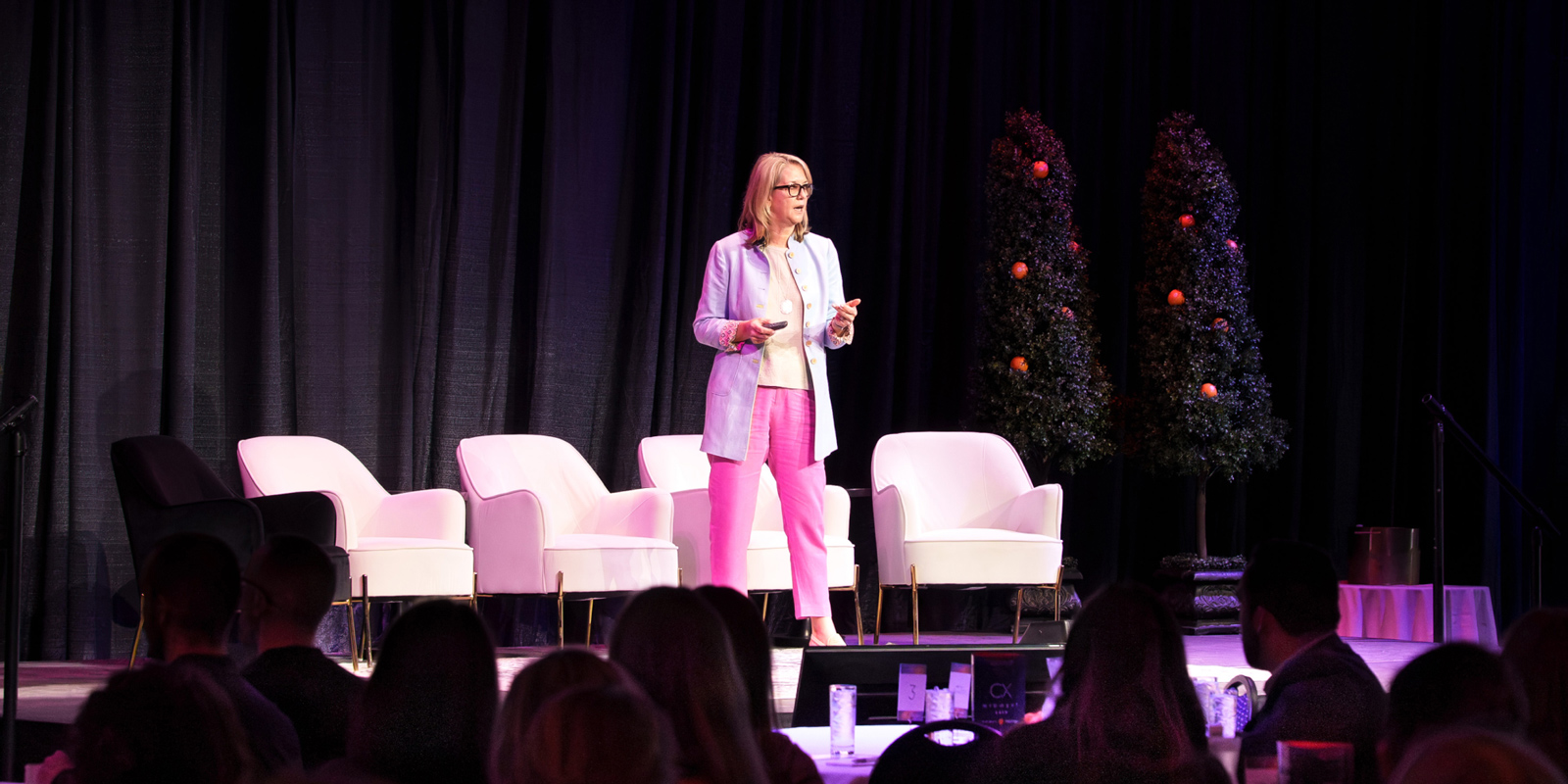
Margaret Murphy, Founder & CEO, Bold Orange
Jonathan Brill’s keynote, “AI & The Octopus Organization,” gave leaders a useful model for what that looks like in practice. An octopus can sense and respond through each tentacle while staying connected to the whole. Modern organizations need that same balance: intelligence closer to the customer, faster decisions, more adaptive teams, one connected organization.
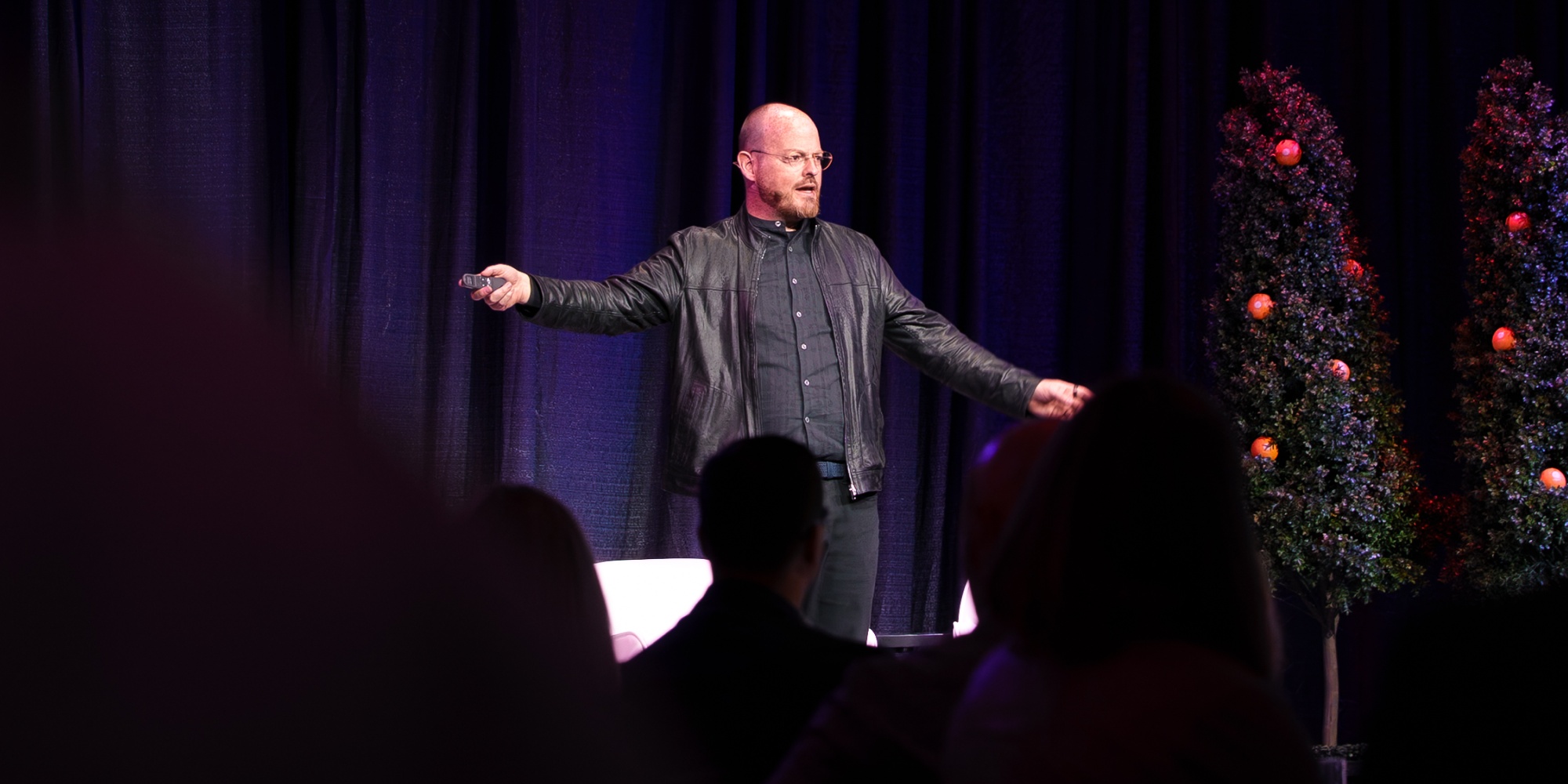
Jonathan Brill, #1 Ranked Futurist
Shilad Sen’s session, “Beyond AI Slop: How Context, Agency, and Evaluation Make AI Actually Useful,” added the necessary caution. AI can generate fluent work that still lacks meaning. More content does not guarantee more relevance. More automation does not guarantee a better customer experience.
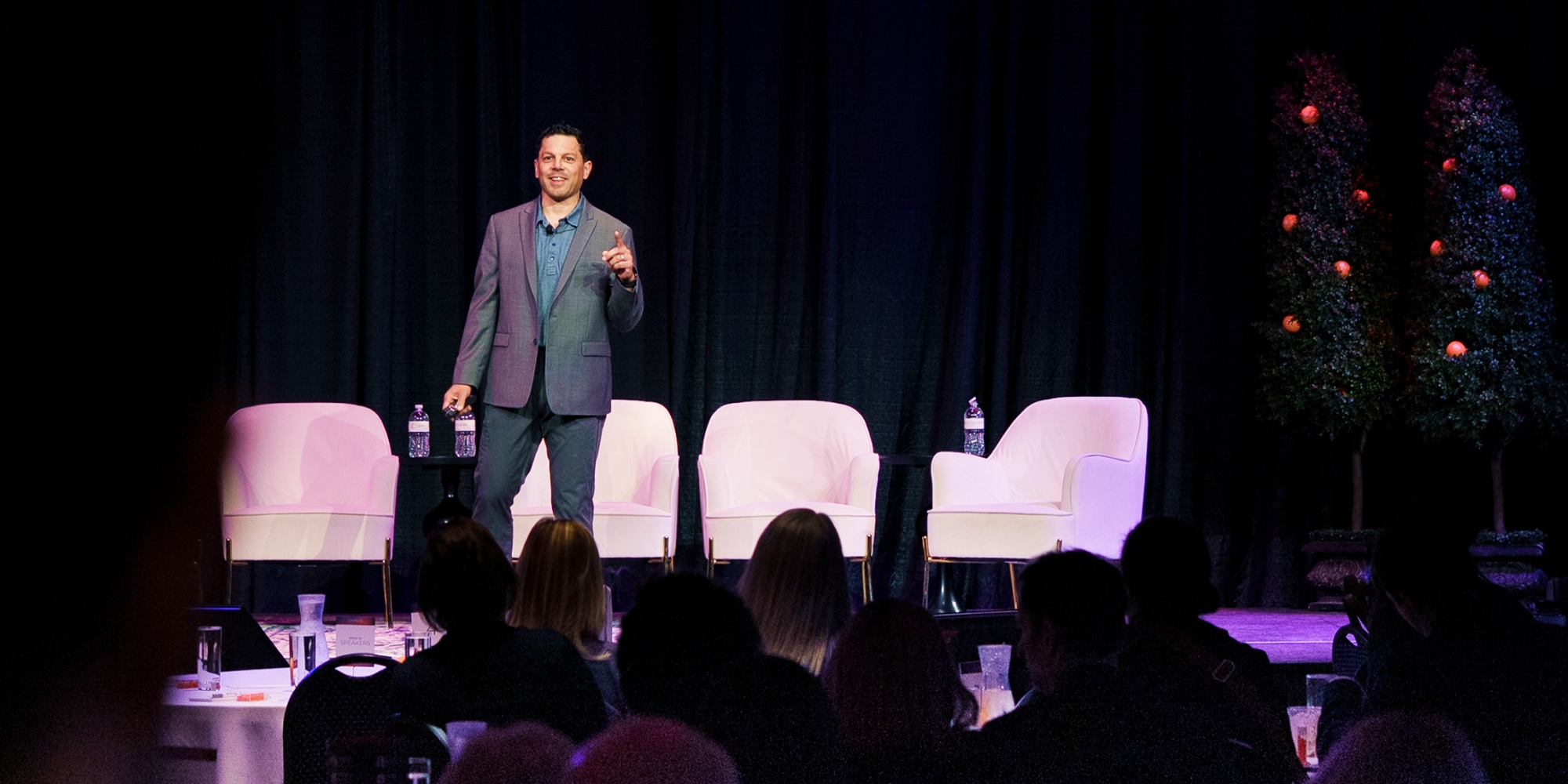
Shilad Sen, AI Scientist at Indeed + Data Science Professor at Macalester College
AI gives leaders leverage; it does not decide what is worth doing. That decision belongs to you.
Action for Leaders
Pick one AI use case already in flight and pressure-test it against value creation.
Ask yourself: “Are we saving time only to reduce cost, or are we reinvesting that capacity into better customer moments, smarter decisions, or faster innovation?”
If the honest answer is not delivering on any of the above, challenge yourself to redirect that capacity toward one problem your team has not had space to solve.
The organizations that win with AI are not the ones that automate the most. They are the ones that reinvest the savings into what matters most to customers.
THEME 2
Keep humans in the lead.
Behavior tells you where to look. Emotion tells you what to fix.
What We Learned
Janet Roller, VP of Global & North America Channel Marketing at Aveda, provided a needed reminder in her session “Putting the ‘Capital-H Human’ Back at the Center of Human-Centered Design:”
Technology evolves quickly. Human psychology does not.
Across leadership roles at Aveda, Marriott, Target, and P&G, Roller has seen the same thing consistently shape the strongest customer experiences: trust, emotion, instinct, belonging, and human understanding.
That matters because many organizations are getting better at tracking customers without always getting better at understanding them. A click, a drop-off, a conversion rate, or a churn signal can tell you something is wrong. They cannot explain the whole human story behind it.
One of Janet’s most memorable examples came from her time at Marriott. A pilot who spent much of his life away from home spoke to her about how deeply he missed his family while traveling. The conversation led Janet to a question that completely reframed the assignment of improving the Marriott customer experience:
“Can Marriott cure my homesickness?”
Suddenly, the challenge was no longer just about hotel stays, loyalty points, check-in flows, or amenities. It became about comfort. Familiarity. Ritual. The feeling of being cared for when you are far from the people and places that make you feel grounded.
Most dashboards will never surface that on their own.
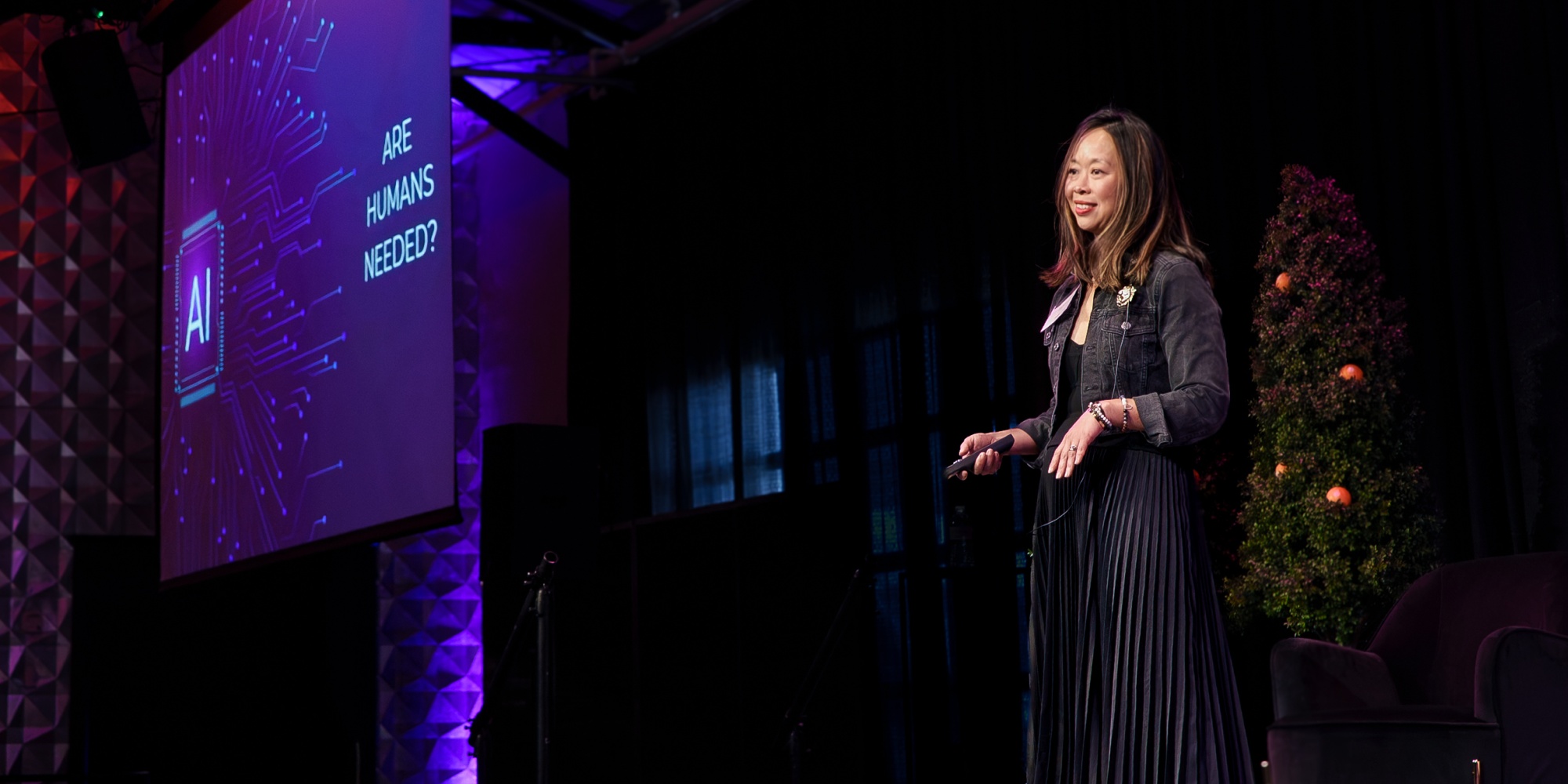
Janet Roller, VP of Global & North America Channel Marketing, Aveda
The CEO panel reinforced the same point from an operating lens. CX is delivered by people making decisions in real moments. Frontline teams, local operators, franchisees, and employees shape what customers remember. Technology can support that work, but it cannot replace the judgment, care, and context people bring to it.
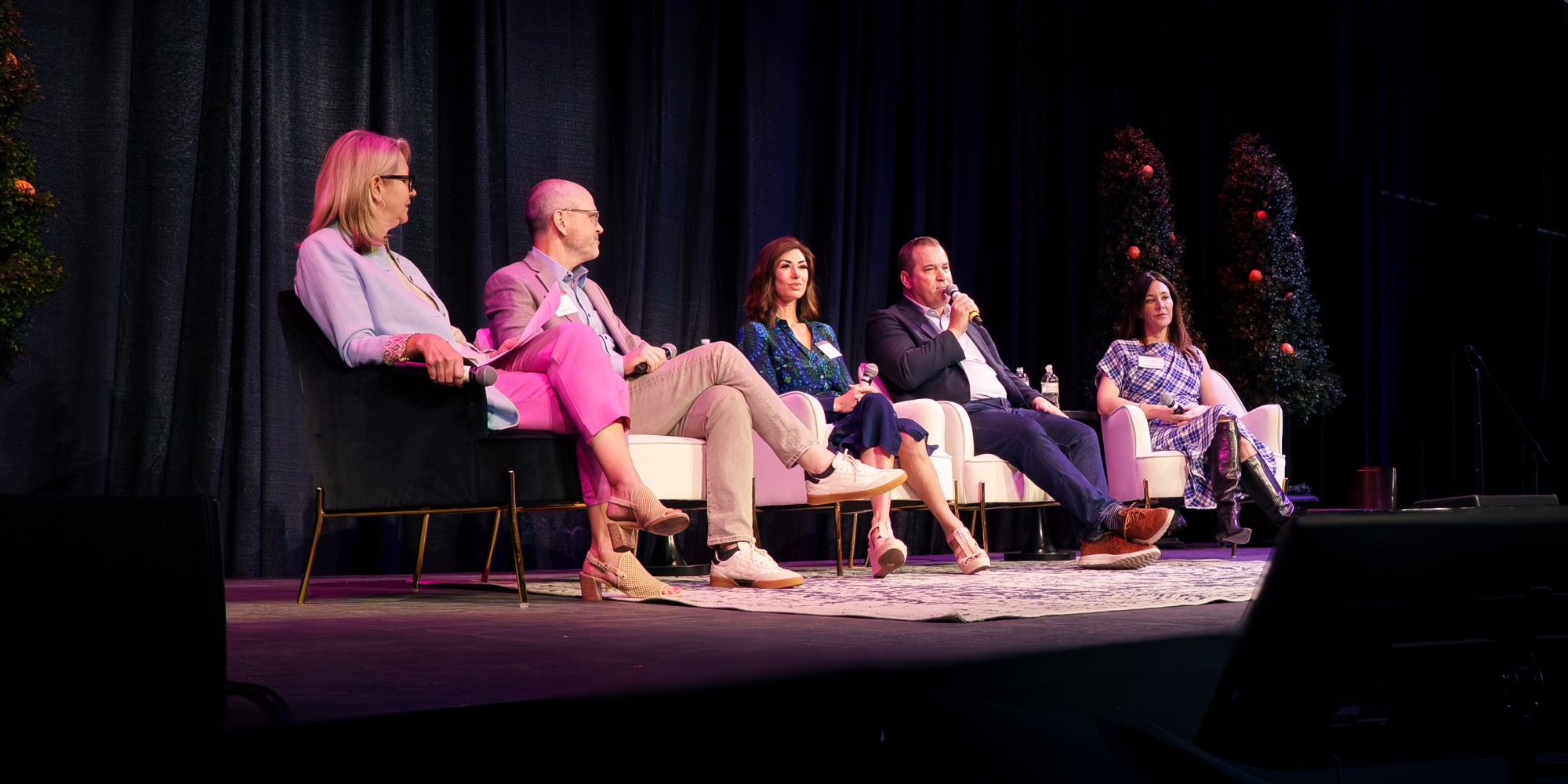
Left to right: Margaret Murphy, CEO Bold Orange · Rob Goggins, CEO Great Clips · Michele Henry, CEO Face Foundrié · Chris Tebben, CEO Checkers and Rally’s · Jennifer Jorgensen, CEO Back to Nature
Customers can feel the difference between being targeted and being understood.
Action for Leaders
Choose one high-friction moment in your customer journey and study it through two lenses.
- Use the data to confirm what is happening: where customers are dropping, churning, or disengaging.
- Then talk to customers or frontline employees about that specific moment. Not a survey, a real conversation. Listen for the emotion underneath the behavior.
- Bring what you hear back to the team. Let the human insight shape the hypothesis. Then use data and AI to test and scale what the conversation revealed.
The insight that changes your roadmap almost never comes from a dashboard alone. It comes from a conversation someone made time to have.
THEME 3
Your brand’s first impression isn’t yours to control anymore.
Customers are forming opinions and getting answers before they ever reach you.
What We Learned
Olivia Luterbach, VP of Strategy at Bold Orange, put language to one of the biggest shifts facing marketers and CX leaders:
“Discovery is no longer a straight line. Neither is loyalty.”
That line resonated because most leaders can feel the old path breaking. Customers are no longer moving through a clean sequence of searching, clicking, comparing, and converting. They are forming opinions through AI-generated answers, zero-click search, reviews, creator content, Reddit threads, peer recommendations, and conversations that happen far beyond a brand’s owned channels.
For many companies, the first impression no longer happens where the brand has the most control.
It may happen when an AI engine summarizes your value. When a Reddit thread appears before your homepage. Or when the search result itself resolves the question before a click ever occurs.
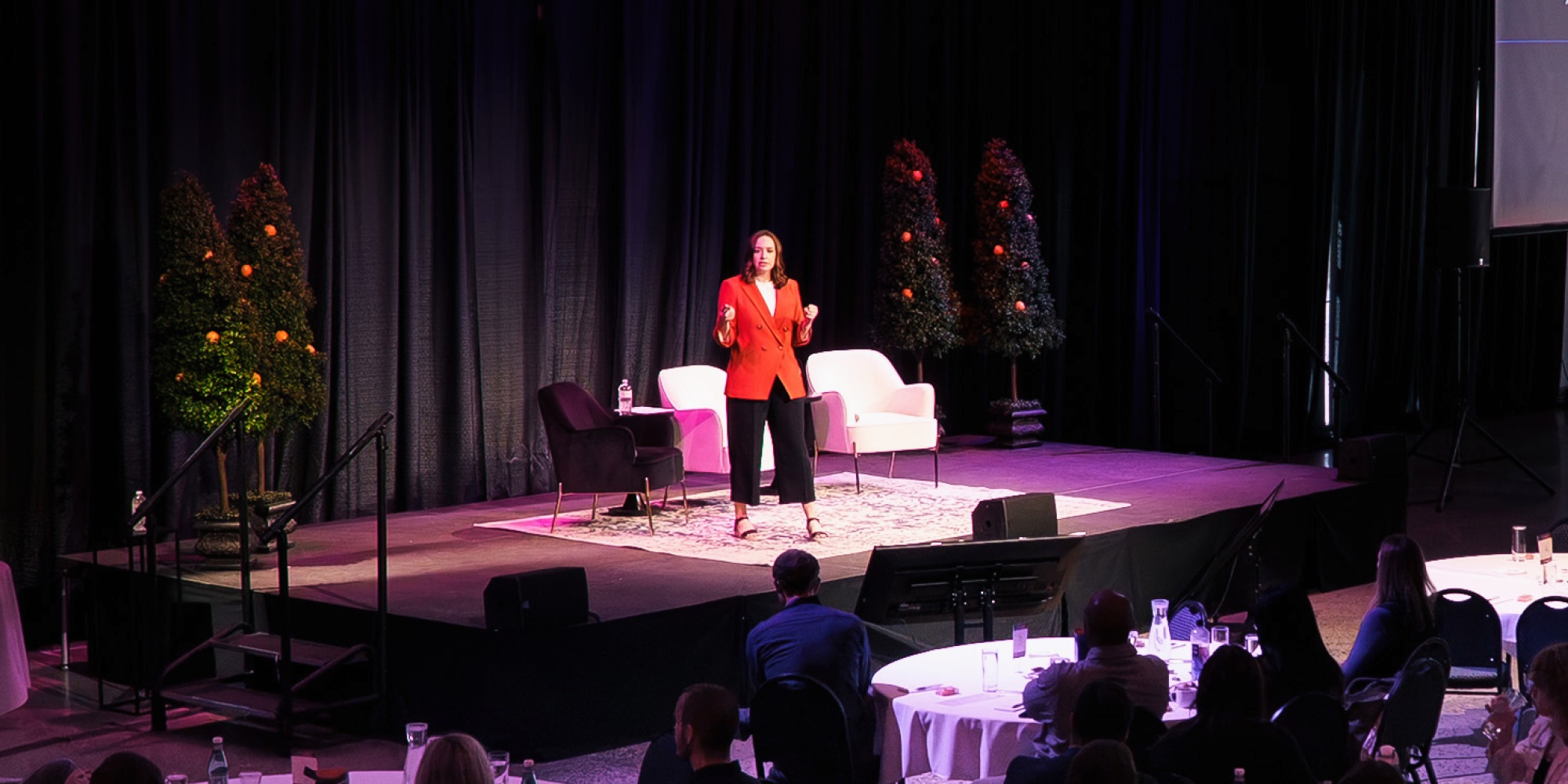
BOLDtalk: “The Future of Brand Discovery” · Olivia Luterbach, VP of Strategy, Bold Orange
The fireside chat with Katarina Haverkamp, Global Search Sr. Strategist at 3M, and Danielle Mueller, Sr. Group Manager of Content Enablement Strategy & Operations at Boston Scientific, made the shift practical.
Enterprise teams are already working through what it means to stay visible, credible, and useful in an answer-driven environment. This is no longer just an SEO challenge. It is a content challenge, a measurement challenge, a brand challenge, and an ownership challenge.
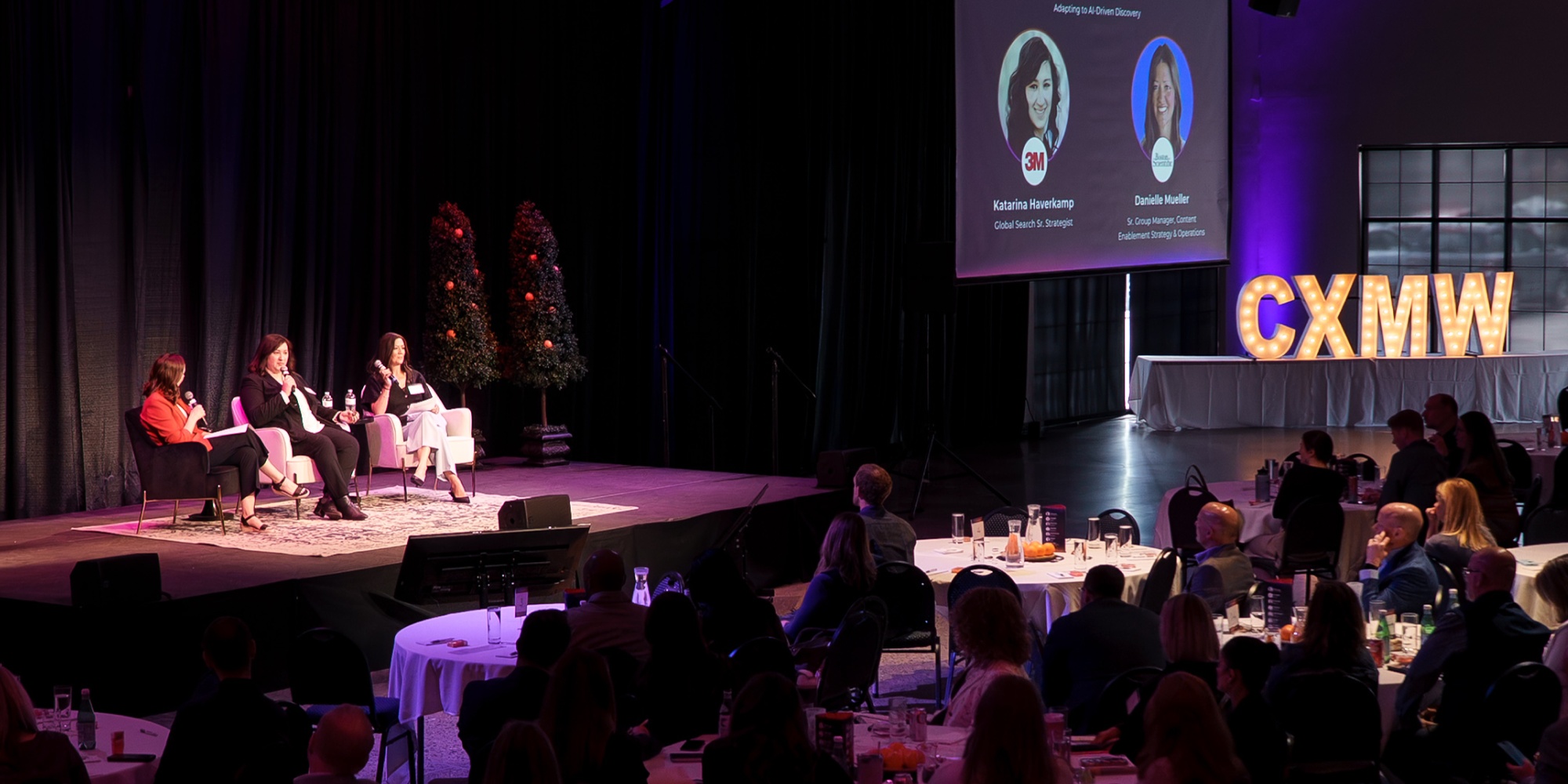
Fireside Chat: “How 3M & Boston Scientific Are Adapting to AI-Driven Discovery” · Left to right: Olivia Luterbach, VP of Strategy, Bold Orange · Katarina Haverkamp, Global Search Sr. Strategist, 3M · Danielle Mueller, Sr. Group Manager of Content Enablement Strategy & Operations, Boston Scientific
Generative Engine Optimization (GEO) is bigger than ranking. It is about whether your brand is understood correctly, represented clearly and trusted enough to be recommended.
That requires coordination across teams that have often worked in separate lanes. Brand, content, SEO, analytics, technology, and CX all have a role in shaping how a company shows up before the customer ever arrives.
Action for Leaders
Audit how your brand shows up in the places customers are already forming opinions.
- Create a prompt library: Write down the 3 to 5 questions your best customers ask before they buy, switch, or refer. The actual questions, not the ones you wish they were asking.
- Search those questions in places like Google, ChatGPT, Perplexity, Reddit, and your review channels. See how your brand shows up, or doesn’t. Look for outdated language, unclear positioning, missing proof points, and unanswered questions.
- Get brand, content, SEO, and CX in one room. Agree on three fixes. Assign owners. Set a deadline.
You cannot manage your brand’s first impression if you don’t know what it is. The audit takes an afternoon. The advantage lasts much longer.
THEME 4
The leader behind the experience matters as much as the experience itself.
You cannot keep humans in the lead if the humans leading are running on empty.
What We Learned
Margaret opened the day by calling 2026 the year of grit and grind, and she meant it. The pressure in the room was real: stretched teams, rising expectations, AI moving faster than most organizations can absorb, and everyone being asked to prove their impact while keeping the customer at the center of it all.
That is exactly why we invited Jesse Israel, founder of The Big Quiet and human wellbeing expert, to deliver his keynote “Finding Calm in Chaos: How to Strengthen Resilience, Mitigate Burnout, and Thrive in the Face of Uncertainty.” Because you cannot keep humans in the lead if the humans leading are running on empty.
Teams need enough quiet and focus to do their best work. A disconnected, overwhelmed organization will struggle to create an experience that feels useful, calm, or human for customers. The quality of the experience you deliver is directly connected to the state of the people delivering it.
Jesse’s “Amplified Quiet Framework” gives leaders a practical path forward through three actions:
- Make Space: still space, solo space, analog space — reducing the constant input so you can actually think
- Choose Connection: meaningful relationships over transactional ones
- Share Your Gifts: operate from your strengths, not around them
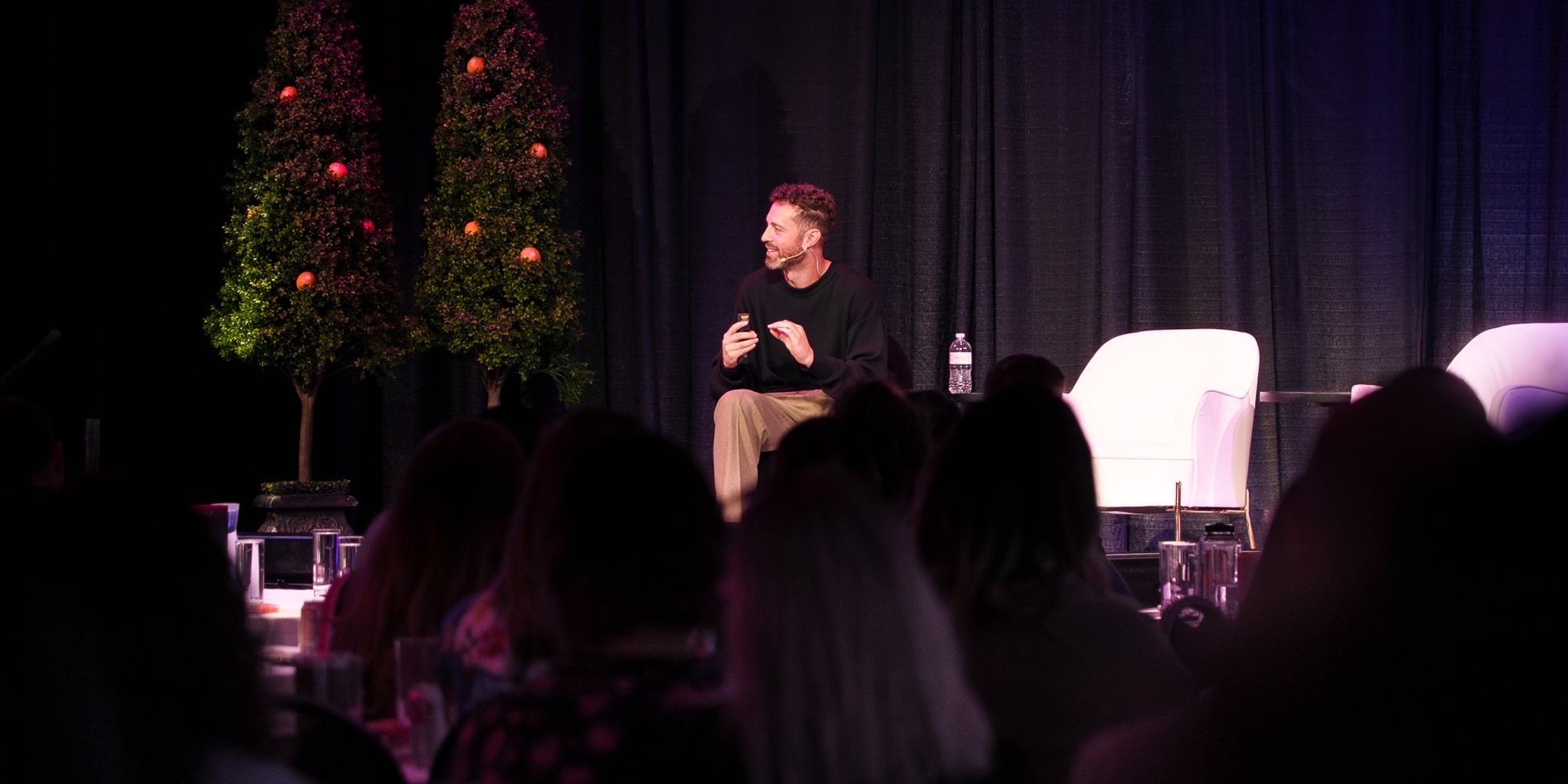
Afternoon Keynote: “Finding Calm in Chaos” · Jesse Israel, Founder of The Big Quiet and Human Wellbeing Expert
Those three moves lead somewhere specific. Jesse called it the zone of genius — the intersection of what you are uniquely good at and what gives you energy. That is where people do their best work.
To find it, he asked the room two questions:
- What are my superpowers?
- When am I most lit up?
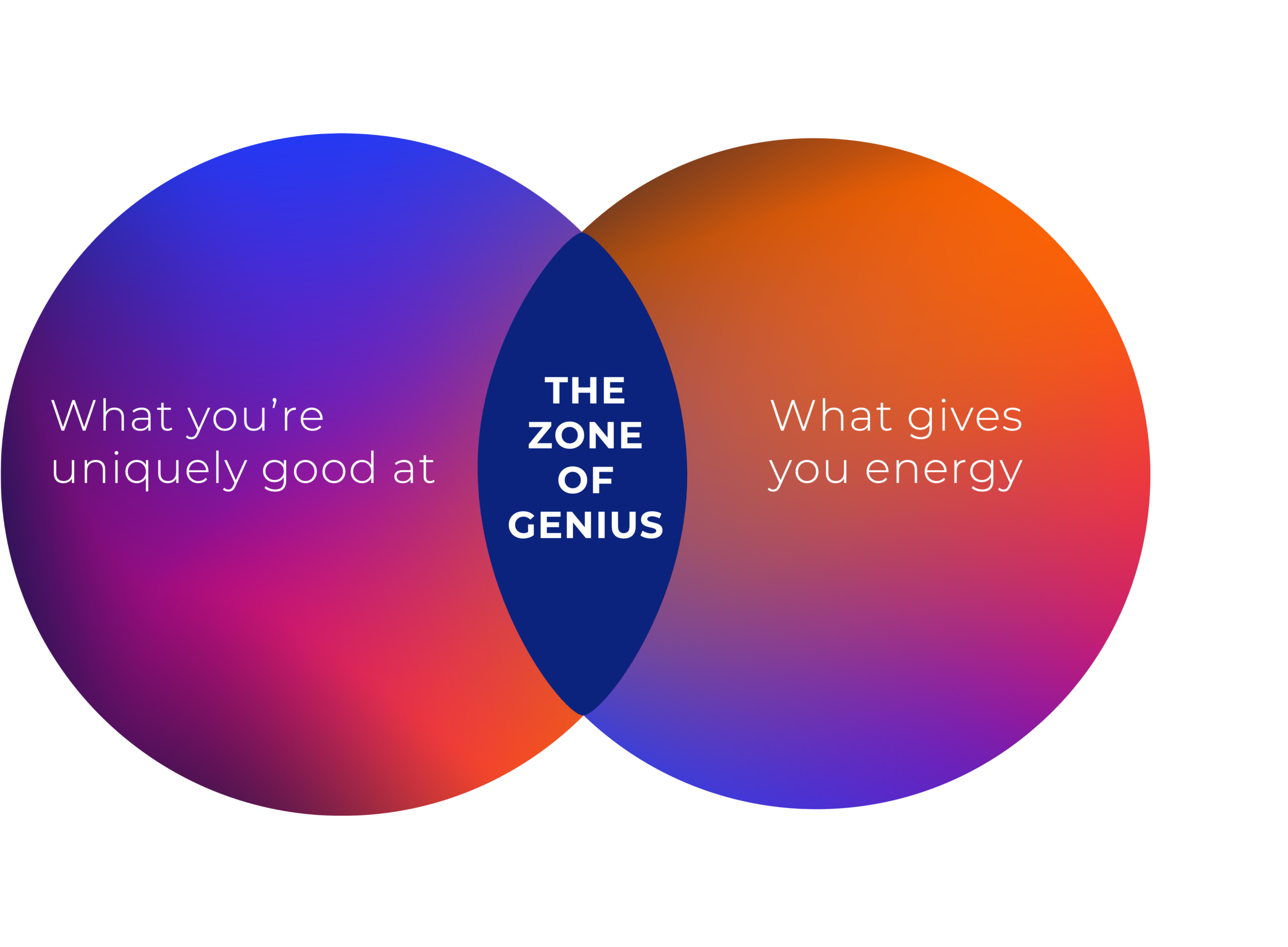
His message connected naturally to everything the day surfaced: stronger customer experiences start internally, with teams that feel connected, clear on what matters, and operating from their best.
Action for Leaders
Take ten minutes this week and answer Jesse’s two questions honestly.
- What are my superpowers? Write down the three things you do better than almost anyone around you.
- When am I most lit up? Think about the last time work felt energizing rather than draining. What were you doing?
The overlap between those two answers is your zone of genius. Now ask the same questions about your team. Where are people operating inside it? Where are they not?
A team working from their zone of genius builds better experiences, moves faster, and weathers the year of grit and grind with something left in the tank.
THEME 5
The gap between strategy and growth is closed by action.
The brands that win choose deliberately, move together, and follow through.
What We Learned
The final theme brought the day back to execution: how decisions, data, and teams come together to create real customer impact. Customers do not experience your internal silos, disconnected systems, or the way data moves across the organization. They experience one brand through the campaign, the website, the service moment, the follow-up, and whether each interaction feels connected to the last.
That is where growth often gets stuck. Not in the strategy itself, but in the handoff between teams, data, priorities, and moments that have to work together for customers to feel the difference.
The afternoon panel “Shared CX Realities: How Leaders Are Driving Progress” brought that truth to life. Leaders from Carter’s, Bridgewater Bank, and Cargill sat down to compare notes across three very different industries and landed in the same place. The most practical advice of the session: “Eat your own dog food.” Go through the entire customer journey yourself. Each leader on stage had done it, and all of them found something that surprised them.
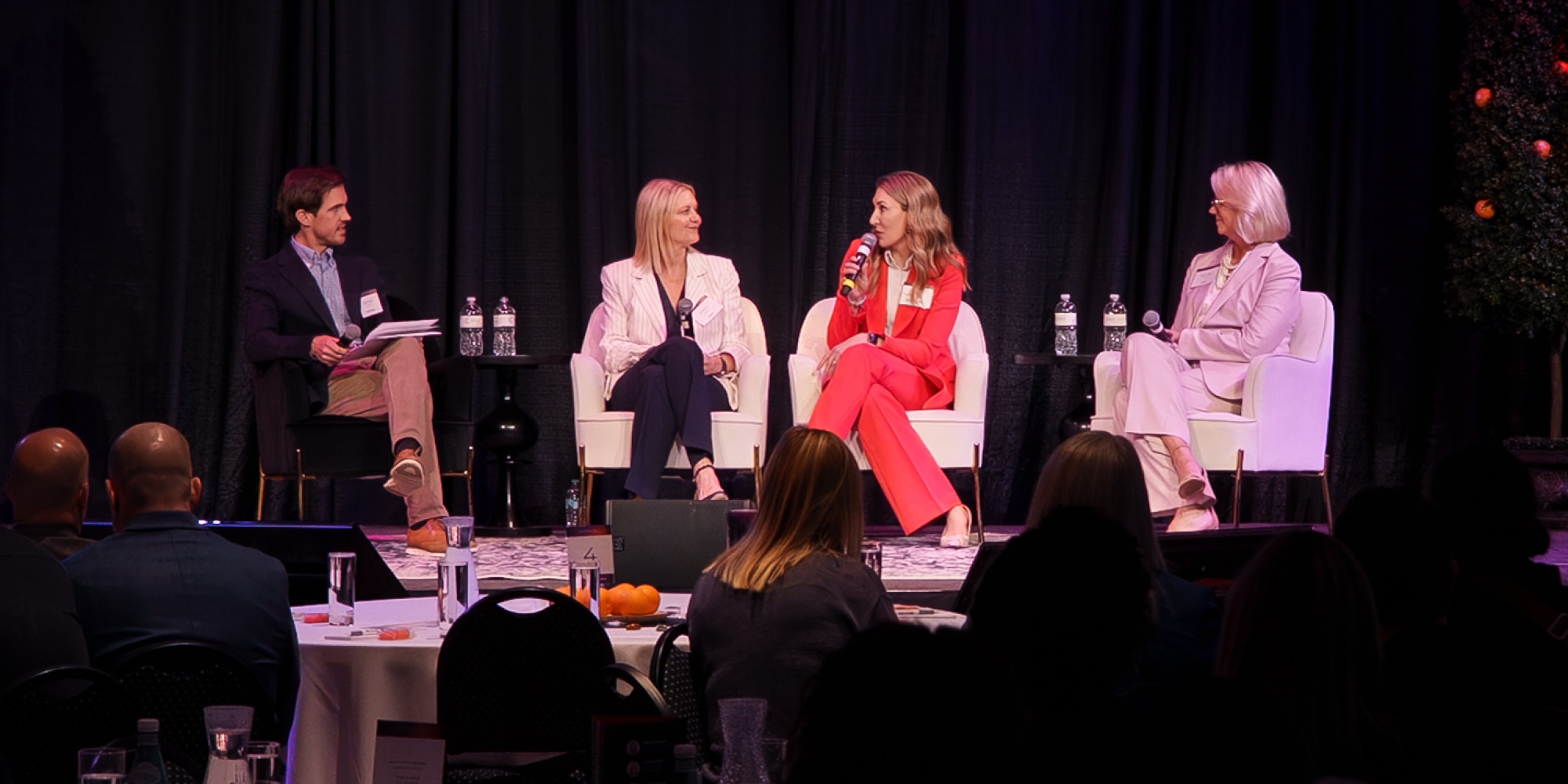
Panel Discussion, Shared CX Realities: How Leaders Are Driving Progress · Left to right: Spencer Smith, SVP Strategic Growth, Bold Orange · Allison Peterson, Chief Digital & Retail Officer, Carter’s · Jessica Stejskal, Chief Experience Officer, Bridgewater Bank · Jennifer Patel, VP of Global Marketing & Communications, Cargill
Margaret also offered a better way to think about action: the “Surfer Mindset.” You do not need to catch every wave. You need to study the horizon, choose the right one, get in position, and commit.

There will always be another tool, another trend, another request. The leaders who grow are not the ones chasing all of them; they are the ones who:
- Choose deliberately
- Align their teams around that choice
- Execute together
“You can optimize your way into irrelevance if you are measuring the wrong things.”
The test for any opportunity is not just whether it is a good idea. It is whether it improves a real customer moment, moves a business metric, has the organizational readiness behind it, and has every team clear on their role.
That is the difference between activity and action. And action is where growth actually lives.
Action for Leaders
Pick your next wave. Not the biggest one, not the most exciting one, but the right one for where your organization is right now.
- Name your single highest-priority growth initiative for the next quarter.
- Before you paddle, ask the four questions: Does it improve a real customer moment? Does it move a business metric? Is the organization positioned to execute? Does every team know their role?
- If the answer to all four is yes, commit fully. Stop waiting for perfect conditions, and move together.
- Remove one point of friction between the decision and the customer before you add anything new.
The wave does not wait. Neither does growth. Choose deliberately, move together, and follow through.
Better CX is Possible
CX Midwest 2026 left us with a practical kind of optimism. Not the kind that ignores how hard the market is, but the kind that comes from seeing a path forward.
The brands that will grow from here are not the ones with the most technology or the biggest budgets. They are the ones where everything works together when it matters most.
- Where AI creates capacity and people decide what to build with it.
- Where data identifies the problem and human insight explains why it matters.
- Where discovery happens on the customer’s terms and the brand is ready for it.
- Where leaders know their zone of genius and build teams that operate from theirs.
- Where the distance from green light to customer impact is as short as it can be.
That is what CX Midwest was built around: the belief that knowing where to act, staying connected, and moving with intention are what separate the brands people choose from the ones they settle for.
It’s time to catch your next wave because action changes everything.