Personalization is no longer a competitive advantage. Relevance is.
Every brand can personalize. Fewer brands create experiences that actually feel relevant.
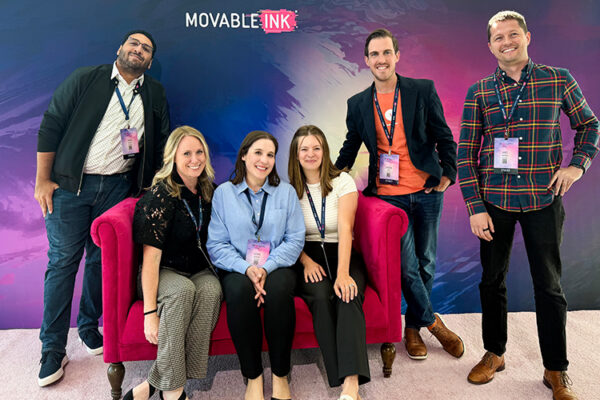
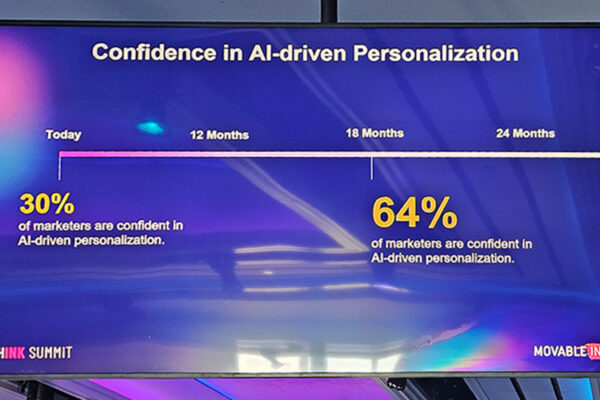
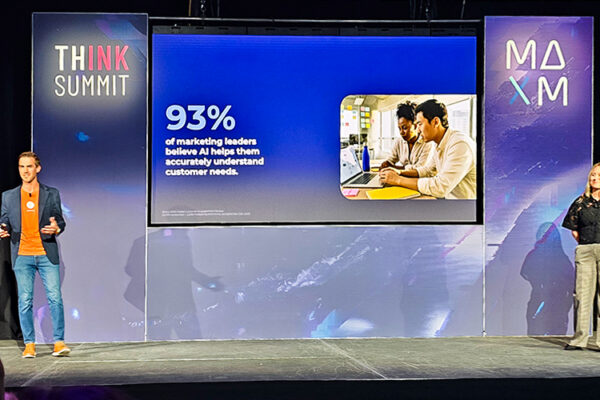
That was one of the clearest themes to emerge from Movable Ink’s Think Summit 2026, where marketers, technologists, and customer experience leaders gathered around this year’s theme: Marketer × Machine.
The conversation wasn’t about whether AI will transform customer engagement. That question has largely been answered. Instead, the focus was on how organizations can use AI, customer intelligence, and automation to create experiences customers actually value.
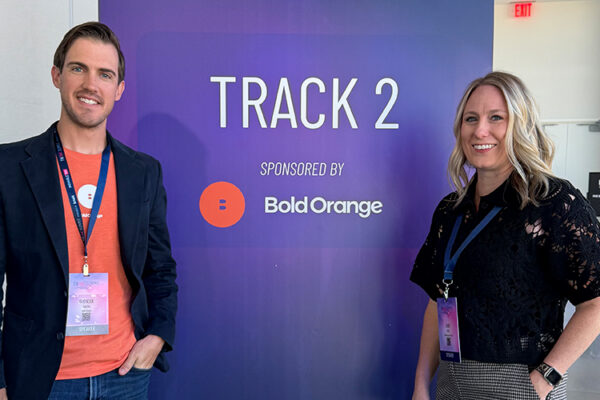
During our session, Turning Personalization into Performance: Applying a CX Lens℠, we explored a challenge we see across industries every day. Organizations have never had more customer data, AI capabilities, or personalization technology. Yet many customer experiences still feel fragmented, disconnected, and surprisingly irrelevant.
The problem isn’t capability or technology, it’s where organizations choose to begin.
The Biggest Personalization Gap Isn’t Data. It’s Experience.
Too often, personalization strategies are built from the inside out—starting with available data, existing technology, and campaign objectives. The customer experience becomes the output of those decisions.
We believe the process should work in reverse.
When organizations start with the customer experience, the questions change:
- What is the customer actually trying to accomplish?
- Where are they encountering friction or confusion?
- What would a more relevant interaction feel like from their perspective?
Only after answering those questions should teams determine how data, AI, and technology can help deliver that experience.
It’s a subtle shift, but an important one. It’s also where many personalization efforts fall short.
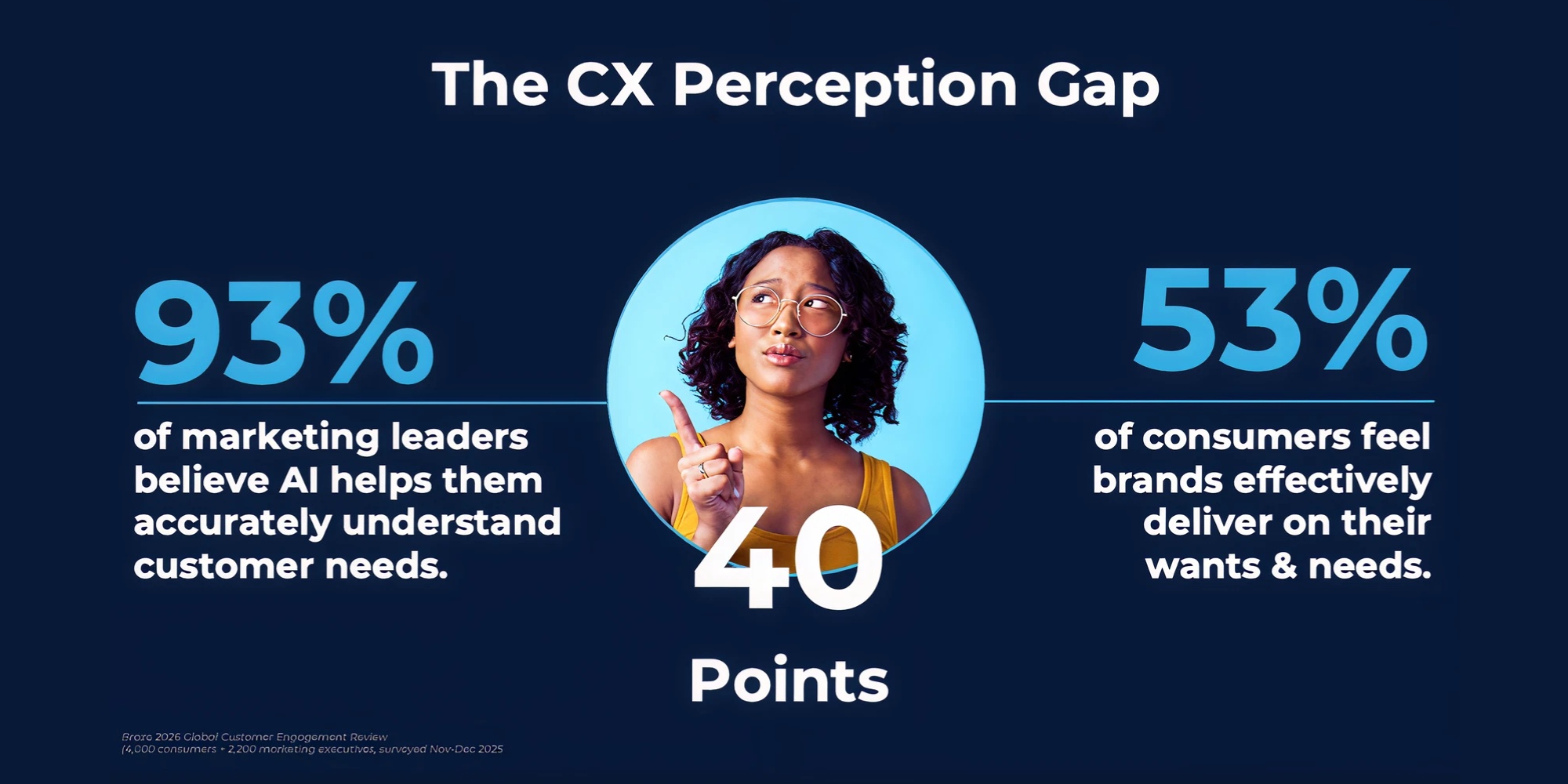
According to Braze’s 2026 Global Customer Engagement Review, 93% of marketing leaders believe AI helps them better understand customer needs. Only 53% of consumers agree that brands are delivering on those needs.
Closing the Experience Gap: Applying a CX Lens℠
Closing that gap requires a different starting point.
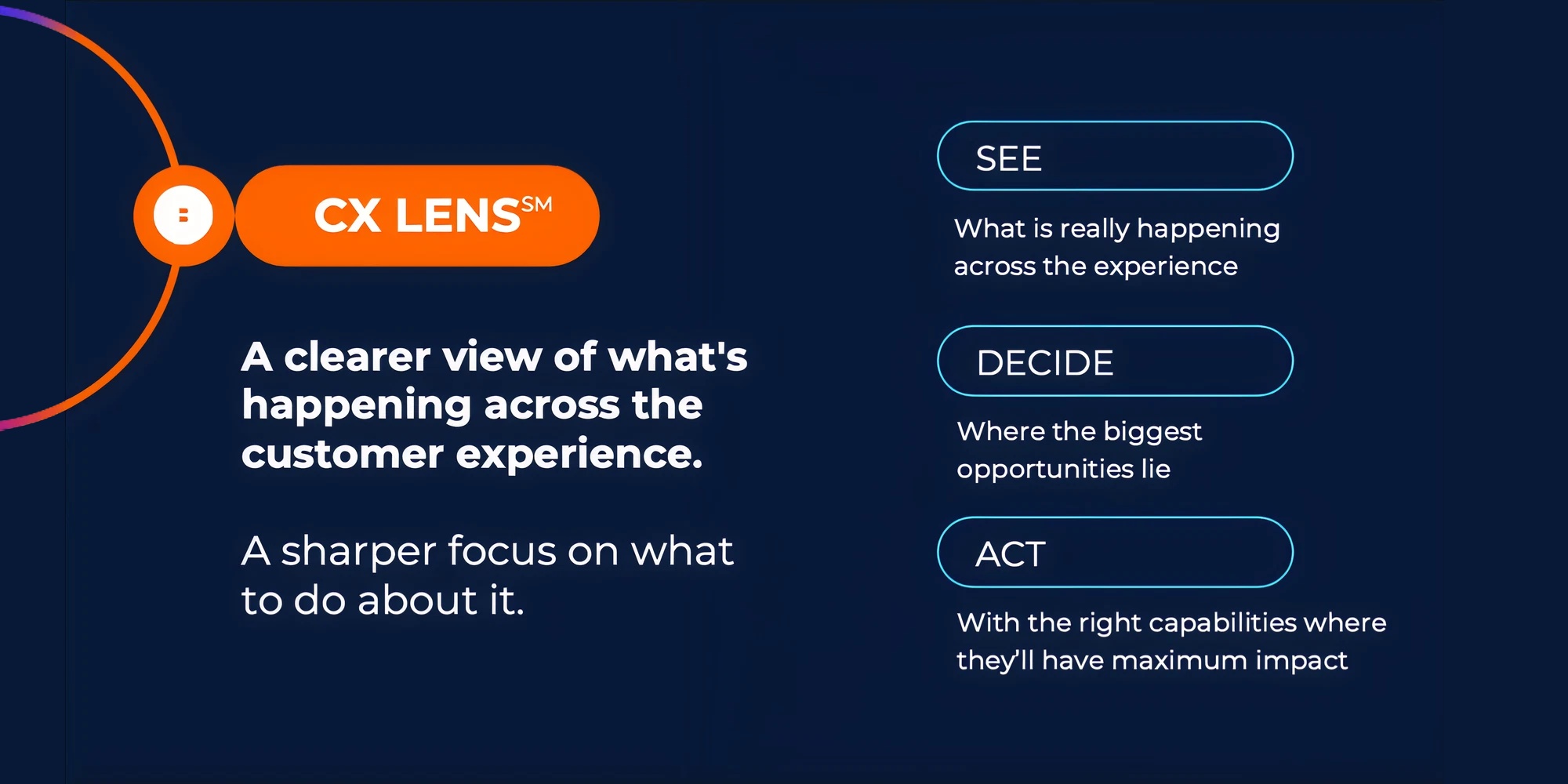
Rather than viewing personalization through the lens of campaigns, channels, or technology, our CX Lens℠ helps organizations evaluate the experience from the customer’s perspective.
The approach is straightforward:
See what customers are actually experiencing—not just what dashboards report. Understand how they move across channels, touchpoints, and moments that matter.
Identify where friction exists. Which journeys compete with one another? Where are customers encountering confusion, redundancy, or missed opportunities? Which moments have the greatest potential to create value?
Act by applying data, AI, automation, and personalization to solve the right problems.
The difference is simple: Technology shouldn’t drive the experience. The experience should determine how technology is used.
This approach fundamentally changes where personalization work begins. And starting from the right place is often the difference between campaigns that perform and experiences that actually matter to customers.
Customers Don’t Experience Campaigns. They Experience Brands.
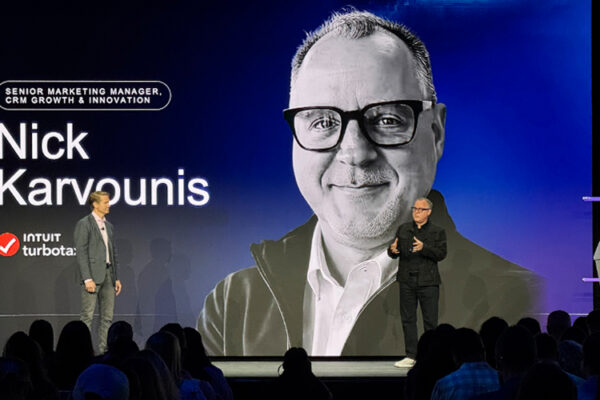
Our work with Intuit TurboTax shows what’s possible when customer experience drives personalization—not the other way around.
As TurboTax’s agency partner, we’ve helped build a CRM program that supports millions of customers through one of the most important financial moments of their year. But success wasn’t defined by tax season alone. It required creating connected, relevant experiences that keep customers informed, engaged, and supported throughout the entire year.
That meant using Movable Ink’s dynamic content capabilities to adapt messaging based on where each customer was in their journey.
It also meant building a modular design system that scales across billions of emails and orchestrating year-round communications around real customer needs—not just tax deadlines.
The technology is sophisticated, but it’s never the point. It exists to make every interaction more timely, more relevant, and more valuable for the customer.
That customer-first approach has resulted in an award-winning omnichannel experience, earning recognition from the OMMA Awards, the Webby Awards, the Communicator Awards, and most recently, Best Omnichannel Customer Experience at Movable Ink’s Think Summit.
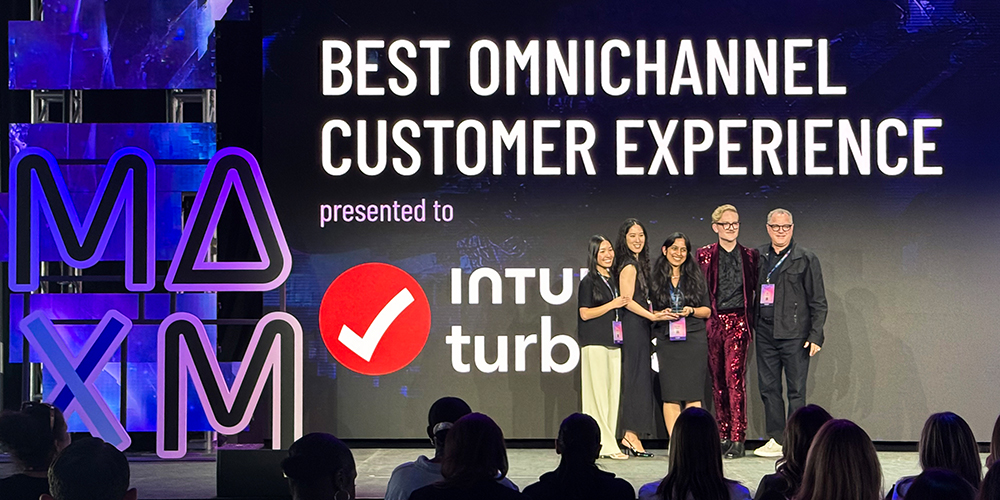
The TurboTax team accepting the Best Omnichannel Customer Experience award at Think Summit 2026.
If you’re looking for inspiration on how to put this approach into practice, watch our on-demand webinar, Scaling Smarter: What TurboTax Gets Right About Personalization—And How You Can Apply It. You’ll hear firsthand how TurboTax, Movable Ink, and Bold Orange partnered to build a customer-first personalization strategy that delivers relevant experiences at scale.
Relevance Is the New Competitive Advantage
As AI becomes more accessible and personalization capabilities continue to mature, the ability to personalize is no longer what separates leading brands. Relevance does.
The organizations building the strongest customer relationships aren’t necessarily collecting more data or deploying more sophisticated technology. They’re designing experiences that feel connected, contextual, and valuable to the people they’re serving.
AI will continue to make personalization easier, but it won’t make customer experiences more relevant on its own.
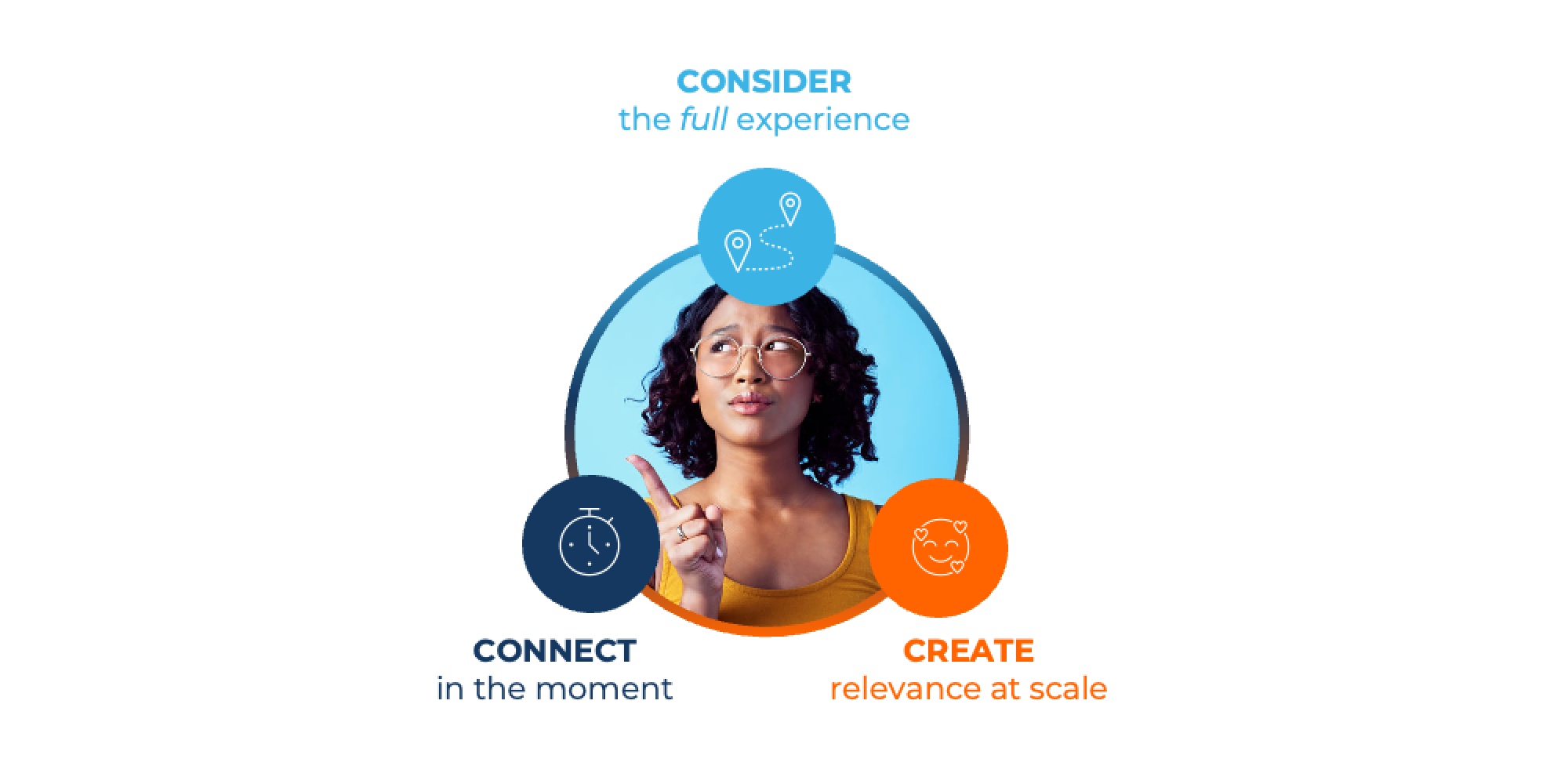
The brands that pull ahead won’t be the ones that know the most about their customers. They’ll be the ones that consistently design experiences around what customers are trying to accomplish—and then use technology to make those experiences feel seamless.
Relevance isn’t a byproduct of personalization. It’s the outcome every personalization strategy should strive to achieve.
The Path to Growth Starts by Finding the Experience Gaps
The most effective personalization strategies start with the customer.
If you’re wondering where to begin, start with visibility. Our Personalization Blueprint is a quick assessment that uncovers the friction, disconnects, and missed opportunities across your customer journey—so you can focus on the experiences with the greatest opportunity for impact.
Explore the Personalization Blueprint →
Ready to close the personalization gap? We’d love to help you build experiences customers truly value.